
Why This Matters
The phrase "family involvement" is used frequently in behavioral health, but it can mean different things to different providers. Understanding what genuine family-centered care looks like helps you know what to expect and what to ask for.
The Core Principle
Family-centered care is built on the recognition that families have deep, ongoing knowledge of their children that complements the clinical expertise a provider brings to sessions. Effective behavioral health services treat the family's knowledge, goals, and values as central to the treatment plan rather than secondary to the clinical agenda.
This does not mean the clinician simply does what the family wants regardless of clinical judgment. It means clinical decisions are made with the family, not for them.
What It Looks Like in Practice
In a genuinely family-centered approach:
Parents are asked what they hope to achieve, not just told what the treatment goals are.
Family strengths are identified and built upon, not just challenges catalogued.
Strategies are adapted to fit the family's actual daily life and culture.
Parents are taught skills they can use independently, increasing their confidence rather than their dependence on services.
Communication flows both ways: the clinician shares what they observe, and the family shares what is happening between sessions.
How This Connects to IIC
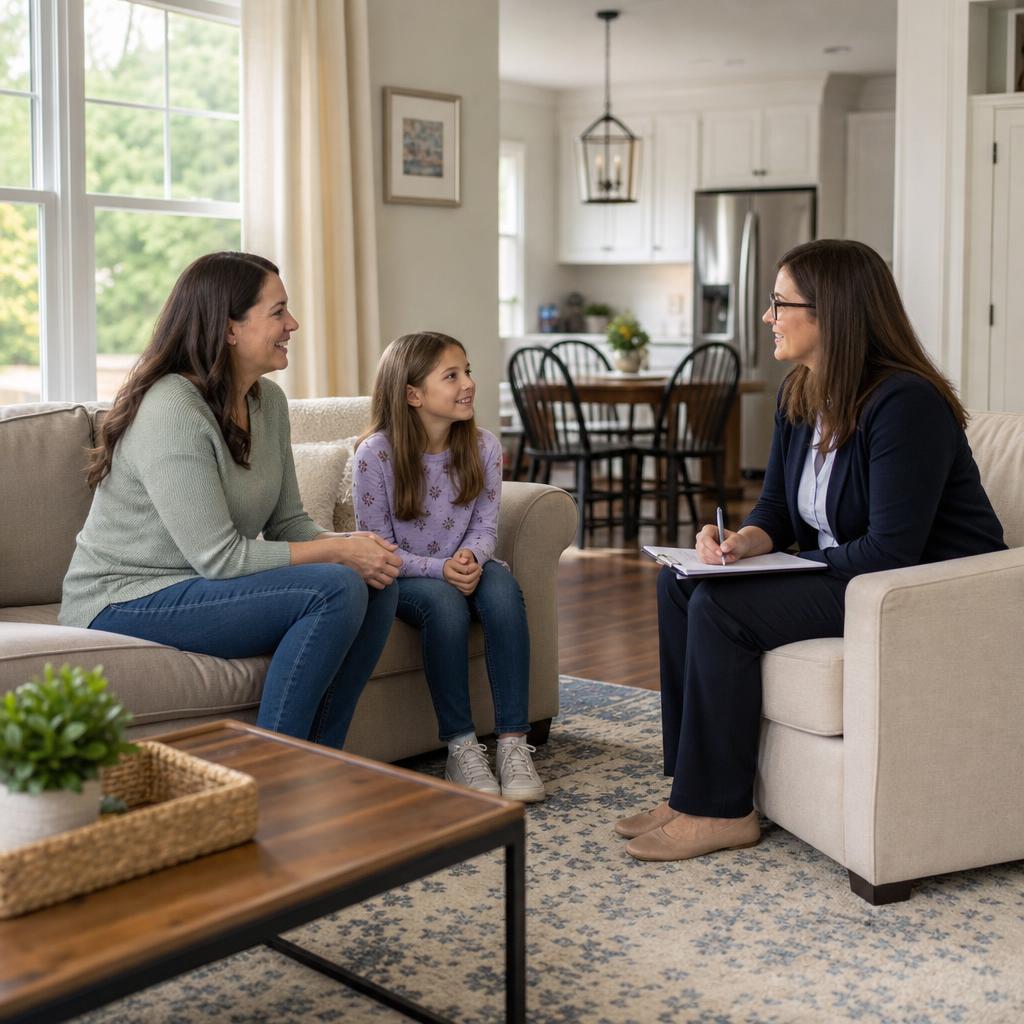
IIC services are specifically designed to be delivered in the family's natural environment. The community-based setting itself supports a more family-centered approach because clinicians see real life rather than a clinical approximation of it.
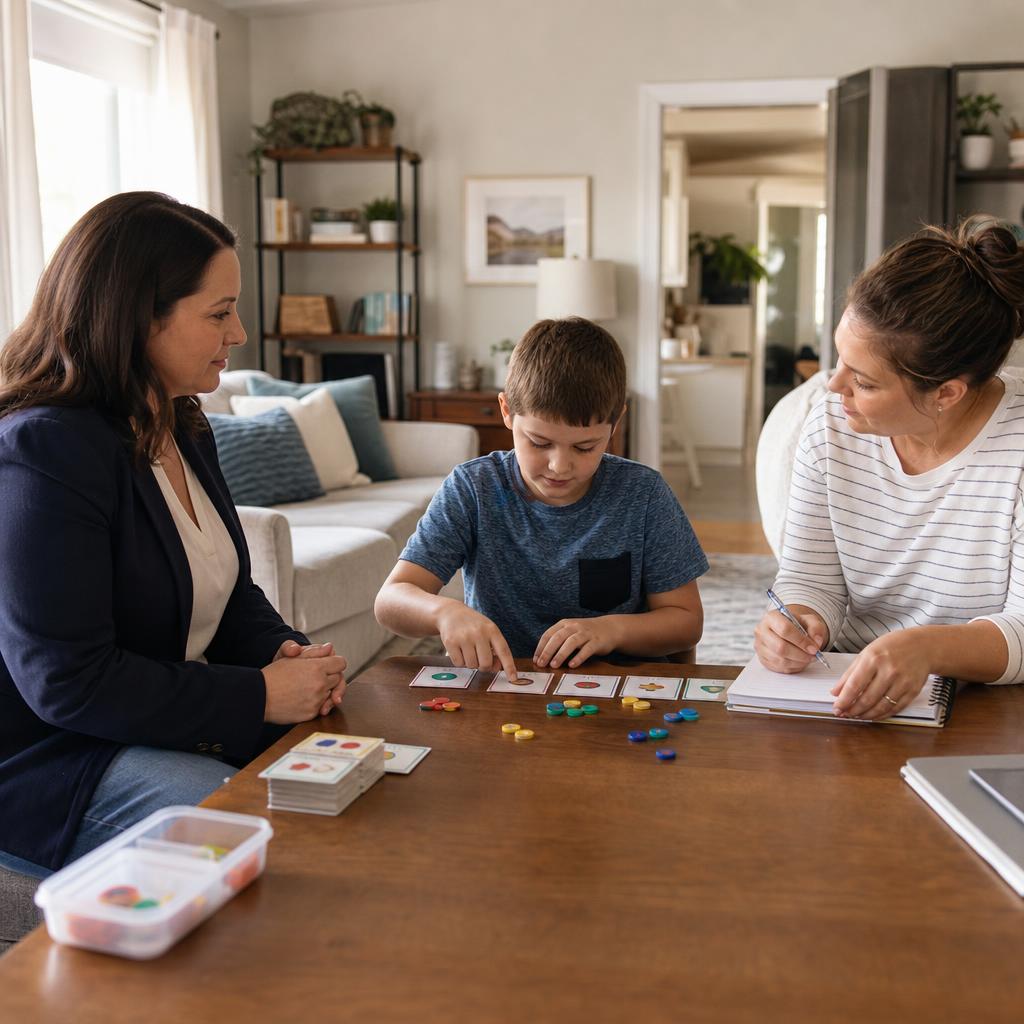
Parent coaching, which is a formal component of IIC, is one of the most direct expressions of family-centered practice. The explicit goal is to transfer skills to the caregiver, not to replace the caregiver with a professional.
Questions That Indicate Family-Centered Practice
When evaluating whether a provider is genuinely family-centered, consider asking:
How do you incorporate what parents observe at home into the treatment plan?
How will you communicate with me between sessions?
What will I be expected to do, and how will you support me in doing it?
How are goals set, and how do you incorporate the family's own priorities?
If a provider is reluctant to answer these questions or treats them as irrelevant, that is informative.
Practical Guidance for Families
- At the first session, share what you believe your child's strengths are, not only the challenges.
- Ask how the treatment plan will be developed and whether you will review and agree to it before it is finalized.
- Raise concerns during treatment; a family-centered provider should welcome course corrections.
- If you feel like an afterthought in the process, name that directly in a session or to the care manager.
Helpful next steps from Boundless Behavior Therapy
Parent Coaching
Explore practical strategies designed around your family’s everyday routines and goals.
Intensive In-Community services
Learn how licensed clinicians support children and families at home and in the community.
Frequently asked family questions
Get clear answers about PerformCare, eligibility, referrals, and choosing a provider.
Frequently Asked Questions
Does family-centered mean I am responsible for my child's treatment outcomes?
Family involvement matters, but you are not solely responsible for outcomes. Family-centered care is a collaborative model. Your engagement is encouraged because it improves the likelihood of progress, not because the clinician can step back.
What if my family does not fit the typical model discussed in training materials?
A genuinely family-centered provider will adapt to your family's structure and circumstances. If you have a non-traditional family structure, a particular cultural background, or specific values that matter to how you approach your child's care, say so early.
Is family-centered care the same as parent-only sessions?
No. Family-centered care describes a philosophy of partnership, not a specific session format. It may include sessions with parents only, with the whole family, or with the child alone, depending on what makes sense.
Crisis and safety: If your child is in immediate danger, call 911. For a behavioral health crisis, call PerformCare 24/7 at 1-877-652-7624. PerformCare is New Jersey's single point of access for the Children's System of Care.
Sources and Official Resources
Clinically reviewed by Nupur Dave
MAed, BCBA, LBA · Founder & Clinical Director
Ready to take the next step?
Boundless Behavior Therapy serves families in Hudson, Essex, Passaic, Bergen, Morris, and Sussex counties.